Food quality depends on the temperature of the product, not just the number shown on a refrigerator display. You will learn how to set measurable temperature controls, load and rotate stock safely, specify equipment for real kitchen conditions, and respond when refrigeration fails.
Key takeaways
- Measure food temperature, not only the cabinet air display.
- Keep chilled high-risk food at 5°C or below.
- Separate raw and ready-to-eat stock, then rotate by date.
- Choose refrigeration for peak loads, kitchen heat and service frequency.
Set Product Temperatures You Can Verify
Set chilled high-risk food at 5°C or below, measured in the product rather than inferred from the cabinet’s air display. The FDA Food Code defines 5°C/41°F as the cold holding limit; food businesses in India must also follow applicable FSSAI product and hygiene requirements.
Specify controls that let you prove the temperature stayed safe:
- Check representative food containers with a calibrated probe thermometer. Clean and sanitise the probe between products, and measure the warmest location rather than touching the container wall.
- Use an independent temperature logger with a retained audit trail and excursion alarm. A single front-panel display does not show that food stayed within limit.
- Test several shelf positions during commissioning and after loading. Air near an evaporator, door, or discharge outlet can be much colder or warmer than the cabinet average.
- Keep a documented calibration date, acceptable tolerance, and corrective-action procedure. Remove or assess affected food after a failed reading instead of simply resetting the controller.
Refrigeration cannot repair slow cooling. For cooked food requiring refrigeration, rapid cooling means reducing it from 57°C to 21°C within two hours, then to 5°C within six hours total under the FDA Food Code.
Use shallow pans, smaller portions, airflow around containers, or a blast chiller for this duty; ordinary storage refrigeration is not a substitute.
Load, Separate and Rotate Stock Correctly
Keep chilled food at or below 5°C at the product, not merely on the cabinet display. Probe the thickest item with a calibrated thermometer after delivery, loading, and prolonged door opening; a crowded cabinet can show a normal air reading while food remains warm.
Load each refrigerator or cold room using these rules:
- Leave air gaps between packages and the walls so cold air can circulate.
- Keep evaporator outlets and return-air paths clear; blocking them creates warm zones.
- Store raw food below ready-to-eat food so drips cannot contaminate cooked or prepared items.
- Keep raw food in sealed, leak-proof containers, with the container base clean and intact.
- Avoid stacking food above the shelf load line or pressing packages against the door.
Use FEFO stock rotation: first expiry, first out. Label every container with the product name, batch number, use-by date, and opening date where applicable. Put the earliest expiry at the front, move newer stock behind it, and remove food that has passed its use-by date or has an unknown history.
Separate damaged, leaking, or recalled batches from usable stock rather than leaving them in the same rack. Keep shelves accessible enough to inspect labels without unloading the cabinet.
Specify Refrigeration for the Real Kitchen Duty
Choose by tested duty, not compressor size. The supplier must state the peak heat load, test ambient, product-load test method, recovery time after door opening, and maximum operating ambient. A cabinet tested at 25°C may lose pull-down performance in a hot kitchen or unconditioned Delhi service area.
| Option | Specification to compare | Why it matters |
|---|---|---|
| Nominal cold storage | Test ambient, loaded product temperature, and holding range | Shows whether the cabinet maintains temperature after normal loading |
| Hot-kitchen duty | Maximum operating ambient and recovery time after door opening | Exposes weak performance during service rushes |
| Blast chilling | Cooling from 57°C to 21°C within 2 hours, then to 5°C within 6 hours, or a stated rapid-cooling cycle | Separates a storage refrigerator from equipment designed for cooling cooked food |
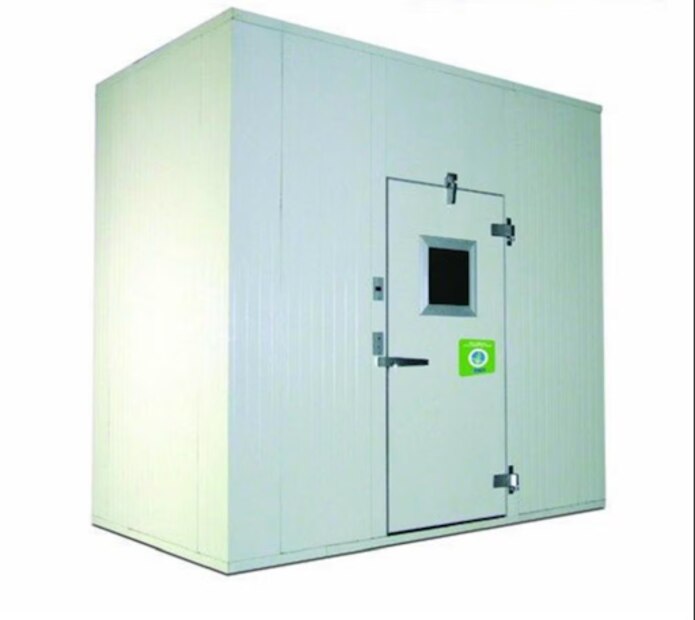
| Cold room | Peak heat load calculation and temperature uniformity across zones | Prevents warm corners when stock, doors, people, lights and fans add heat |
Calculate peak heat load from incoming product mass and temperature, pull-down time, door openings, personnel, lighting, fan motors, wall and floor transmission, and door infiltration. Do not size from average daily inventory. Ask Vinaayak Enterprises for these test conditions when comparing a reach-in, undercounter unit or cold room with another supplier’s model.
Commissioning must verify supply voltage and phase, protective earthing, condenser ventilation, condensate drainage, door clearance, site ambient temperature and recovery under a representative load. Specify accessible condenser cleaning; grease raises discharge pressure and can trigger high-pressure trips. Record refrigerant type and the safety procedures required for servicing R-290 equipment.
Related products
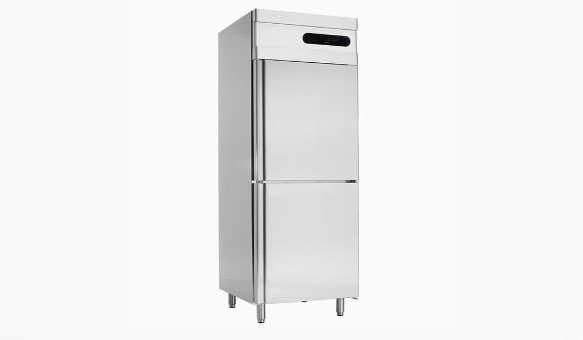 | Commercial Refrigeration & Cold Equipment 2-Door Commercial Vertical Refrigerator Vinaayak Enterprises 2-Door Commercial Vertical Refrigerator is designed for professional kitchens that require reliable, organized and easily... View product → |
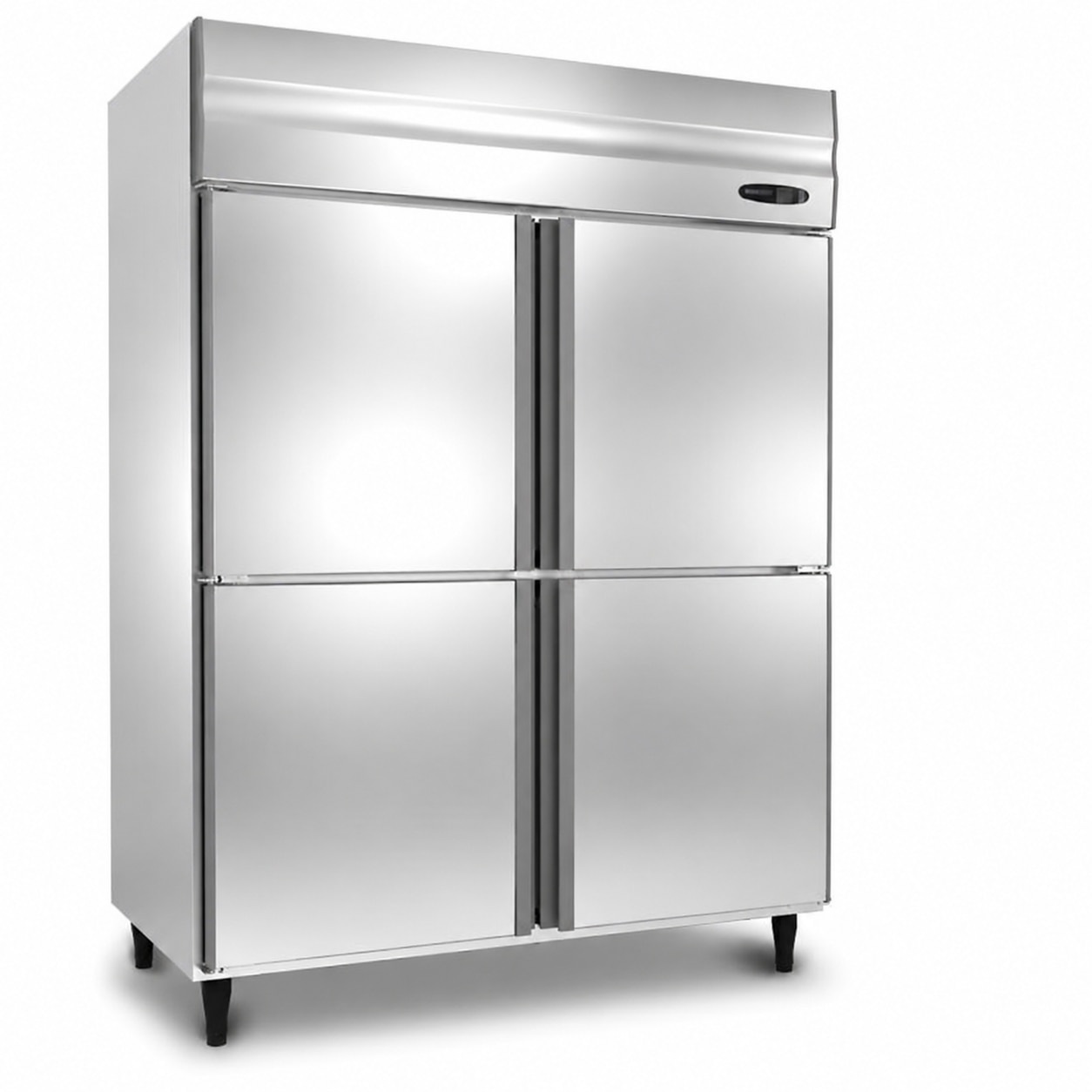 | Commercial Refrigeration & Cold Equipment 4-Door Commercial Refrigerator Vinaayak Enterprises 4-Door Commercial Reach-In Refrigerator is designed for restaurants, hotels, catering kitchens, cloud kitchens, institutional... View product → |
Monitor Temperatures and Act on Failures
Record the date, time, cabinet or cold-room ID, product zone, measured temperature, person checking it, and corrective action. Use an independent temperature logger that retains an audit trail and triggers a temperature alarm; a front-panel display alone cannot prove that food stayed at or below 5°C.
Keep a manual temperature log as a daily operational record, and verify logger and probe calibration dates.
When an alarm sounds, a power cut occurs, or refrigeration breaks down:
- Keep doors closed and note when the event began.
- Check product temperature with a calibrated probe, not only the cabinet display.
- Move food to a working unit if the temperature is rising, leaving space for air circulation.
- Identify affected batches and record the highest temperature and exposure duration.
- Call for repair and keep the cabinet out of service until it returns to its verified operating range.
Do not reset an alarm and carry on without investigating. Shelves near evaporators, doors, and discharge air can differ substantially, so measure representative product zones rather than trusting one reading.
A power cut with no recorded duration requires extra caution: use the available temperature history, probe results, product type, and local food-safety procedure for the discard-or-retest decision. Discard food when safety cannot be demonstrated; never use smell or taste as the test.
Retest only under a documented procedure that specifies the limit, method, responsible person, and final disposition.
Protect Performance Through Maintenance and Commissioning
A factory test cannot prove that equipment will recover temperature in a Delhi kitchen. Commissioning must test the installed system under a representative product load, after confirming:
- Supply voltage and phase match the nameplate, and protective earthing is continuous.
- The condensing unit has clear ventilation, service access, and an ambient temperature within its stated operating limit.
- Drainage and condensate routing discharge correctly without backflow, standing water, or blocked traps.
- Door clearance allows full opening, while self-closing hardware, latches, strip curtains, and internal door-release mechanisms work correctly.
- The cabinet reaches its specified temperature and recovers after door opening; record the time and test load.
| Check | What to verify | Why it matters |
|---|---|---|
| Condenser cleaning | Access is tool-free or clearly serviceable; record the cleaning interval and responsible person | Grease and dust restrict heat rejection, increase running time and discharge pressure, and trigger high-pressure trips |
| Door gasket | Continuous seal, correct compression, and no tears or warping | Air leakage adds heat and moisture, increasing energy consumption and frost |
| Energy comparison | Tested annual energy consumption or a defined test procedure, not compressor horsepower alone | Insulation, fan control, defrost, door design, cleanliness, and ambient temperature change actual consumption |
| R-290 refrigerant | Correct label, approved equipment design, and trained technicians using the specified recovery, charging, and leak-service procedures | R-290 has low global-warming impact but is highly flammable |
Frequently asked questions
What temperature should chilled high-risk food reach?
Set chilled high-risk food at 5°C or below and verify the product temperature with a calibrated thermometer.
How should food be loaded into a commercial refrigerator?
Leave space for cold-air circulation, separate raw food from ready-to-eat food, avoid overloading, and rotate stock by date.
How do you choose refrigeration for a busy kitchen?
Match cabinet capacity and recovery performance to peak stock levels, door-opening frequency, ambient kitchen heat and service demands.
What should you do when refrigeration temperatures rise?
Check the product temperature, keep the door closed, move food to a working unit, record the failure and assess food safety before service.
Which maintenance tasks protect commercial refrigeration performance?
Clean condenser coils, inspect door gaskets, clear drains, check temperature probes and schedule commissioning and preventive service.
Related products
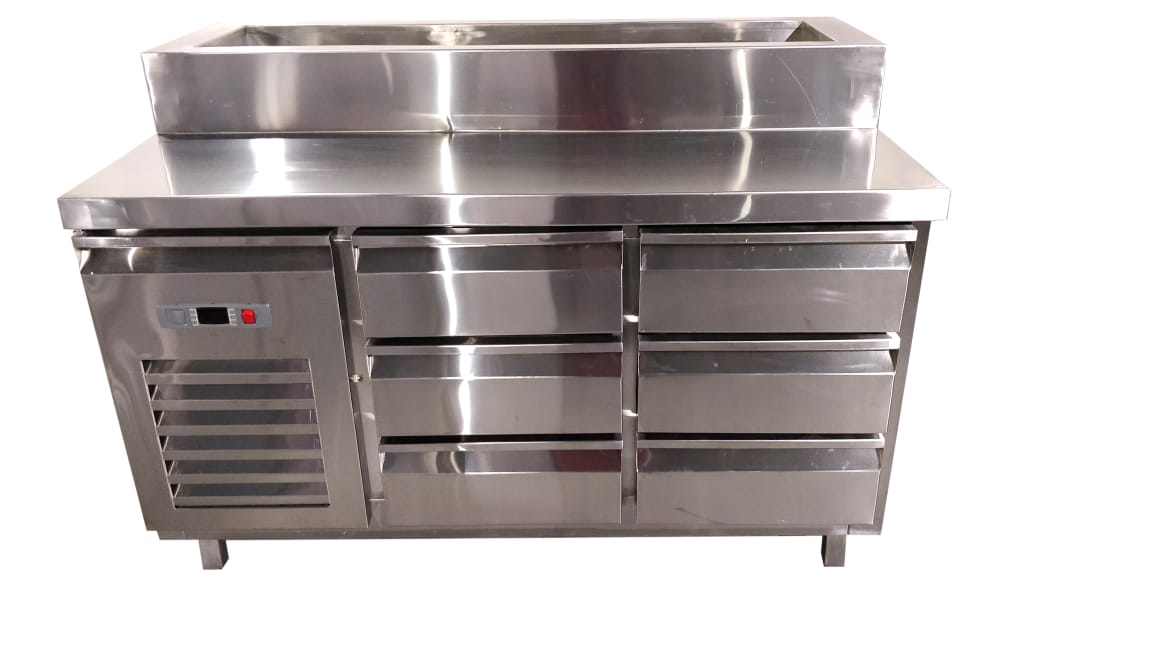 | Commercial Refrigeration & Cold Equipment Mizza Prep Undercounter Refrigerator with Drawers Vinaayak Enterprises Mizza Prep Undercounter Refrigerator with Drawers is designed for commercial kitchens that need refrigerated ingredient storage... View product → |
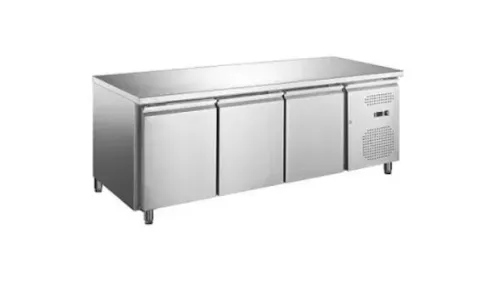
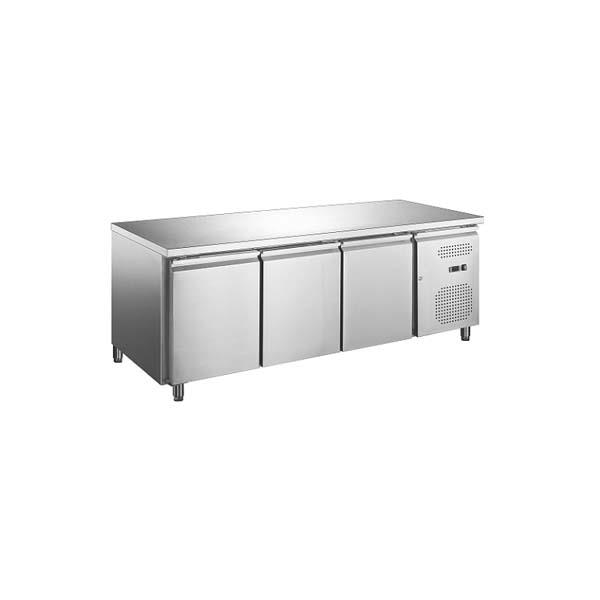 | Commercial Refrigeration & Cold Equipment 3-Door Undercounter Refrigerator Vinaayak Enterprises 3-Door Undercounter Refrigerator is designed for commercial kitchens that need refrigerated storage within easy reach of food... View product → |
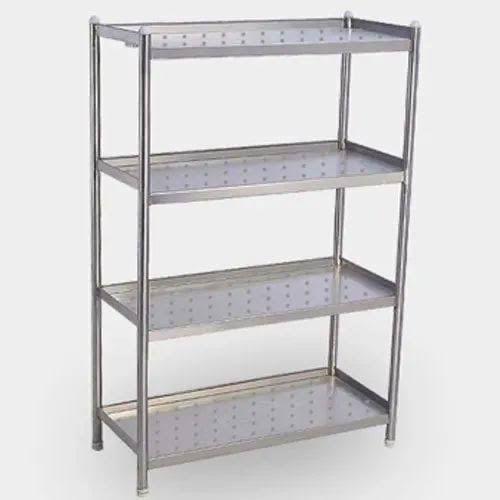 | Worktables, Sinks & Storage Vinaayak Enterprises Cold Room Storage Rack is designed to improve storage organization inside commercial cold rooms and refrigerated storage areas. View product → |
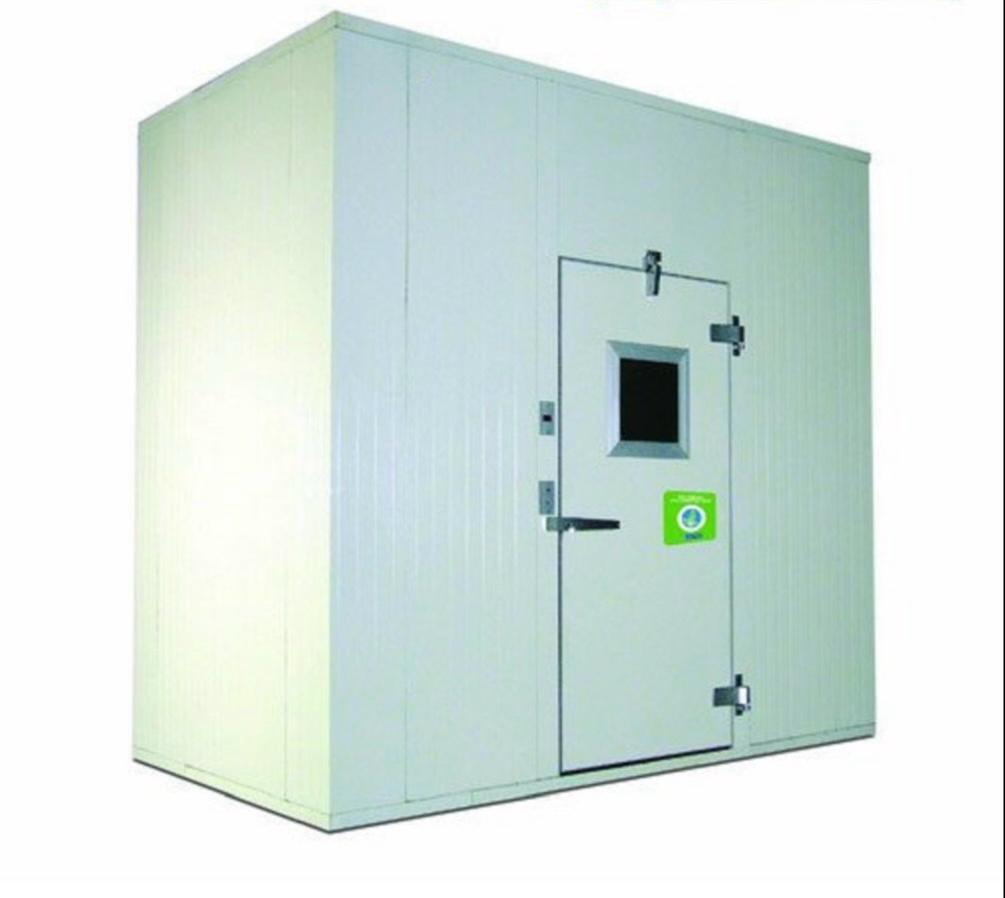 | Commercial Refrigeration & Cold Equipment Vinaayak Enterprises Commercial Cold Room is designed for businesses that require dedicated temperature-controlled storage for food ingredients,... View product → |