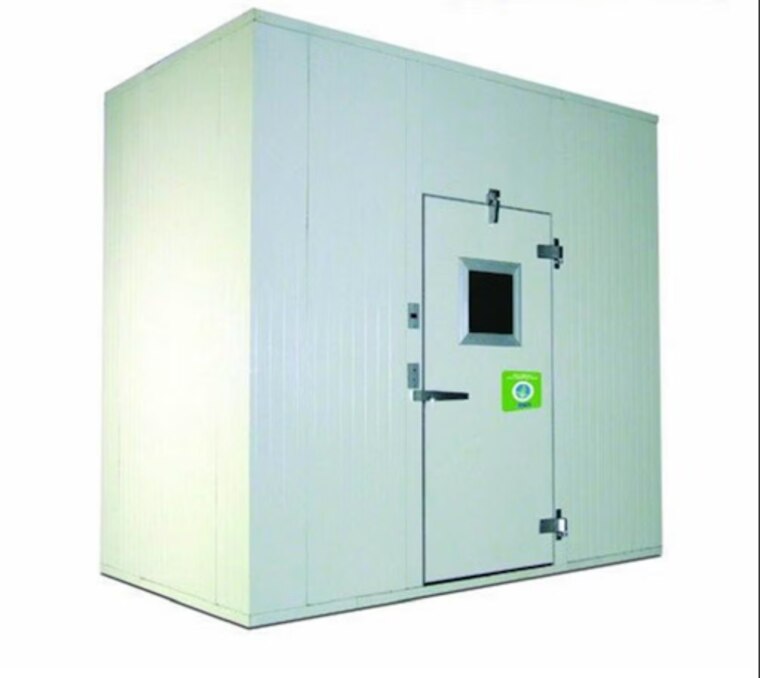
A commercial coldroom becomes justified when your existing refrigerators cannot absorb peak deliveries, maintain safe temperatures or keep ingredients organised without excessive handling. You will be able to compare storage alternatives, calculate usable capacity, test the site and decide whether a chiller, freezer or another refrigerator is the better investment.
Key takeaways
- Buy a coldroom when refrigerators cannot hold peak daily stock.
- Size storage for peak inventory, delivery timing and required airflow.
- Choose a chiller for fresh food and a freezer for frozen stock.
- Plan power, drainage, ventilation, access and temperature monitoring before installation.
What operational problem justifies a commercial coldroom?
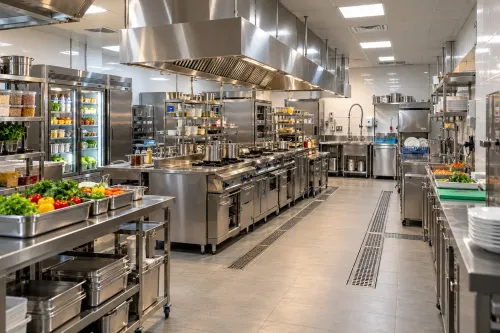
When does a restaurant need a coldroom? Not simply because it has a commercial kitchen. The case becomes strong when usable refrigerator space cannot absorb your daily ingredient volume, deliveries arrive faster than staff can put them away, or stock remains in the cooking area.
Overloaded shelves restrict airflow, slow cooling and increase the chance of unsafe temperatures.
A coldroom is justified when one or more of these pressures is routine:
- Deliveries are infrequent, bulk-priced or large enough to exceed reach-in refrigerator capacity.
- Peak stock levels for weekends, banquets or seasonal menus leave no safe space for incoming goods.
- One production kitchen supplies several outlets and requires trolley-based movement.
- The number of deliveries is low, but each receiving load is too large for existing equipment.
- You need physically separated storage for different food groups, rather than mixed shelving in several small units.
Hotels often reach the tipping point during weddings, conferences, breakfast peaks and banquet preparation. Size the decision around that receiving surge, not average daily sales; otherwise the room sits partly empty most days and still fails during the event.
For a bakery, calculate chilled demand separately from bread and unfilled baked goods. Cream cakes, custards and dairy fillings create genuine refrigeration pressure, while refrigerating bread can damage texture.
If daily throughput is modest, deliveries arrive every day and an upright refrigerator handles peak stock levels without blocked airflow, a coldroom adds cost and walking distance without solving a real problem.
How much cold storage do you actually need?
Base the coldroom capacity calculation on peak stock and receiving pattern, not quoted gross cubic volume. A chamber advertised as 20 m³ does not provide 20 m³ of storage: walls, evaporator clearance, door swing, floor kerbs, racks and required gaps reduce the usable internal volume.
Calculate it this way:
- Record the crate and tray dimensions, maximum units held, daily throughput and the largest delivery expected before the next collection.
- Draw the rack layout and assign each product a shelf or hanging position. Set shelf spacing and air circulation gaps around cartons; do not count passages, door-swing space or evaporator clearance as storage.
- Add the occupied volume at peak stock, then separate chilled and frozen requirements. Keep chilled products within the temperature specified for the food, commonly 0–5°C, and frozen products at -18°C or below.
- Ask for the net storage-capacity calculation and rack layout in writing. Compare that usable figure with your peak requirement, rather than comparing quotations by external dimensions or gross cubic feet.
Capacity alone is not enough. Include the incoming product temperature, delivery size, door-open frequency, staff traffic, lighting, fan motors and local ambient temperature in the cooling-load specification. A room can physically hold a warm delivery yet fail to bring it down quickly enough.
Use peak banquet or production demand, not an ordinary quiet day. Leave working space for safe loading; packing every shelf tightly blocks airflow and turns nominal capacity into unusable stock.
Should you buy a chiller, freezer or another refrigerator?
A coldroom is better than a reach-in when usable stock exceeds cabinet capacity, deliveries arrive in bulk, or several outlets draw from one kitchen. Treat the coldroom versus reach-in refrigerator choice as a capacity decision, not a prestige upgrade.
It is a holding room, not a blast chiller: cool hot rice, sauces and meat rapidly before storage.
| Option | What it means | When it applies |
|---|---|---|
| Coldroom | Walk-in chilled or frozen storage | Peak banquet stock, infrequent deliveries, trolley movement, or multiple outlets |
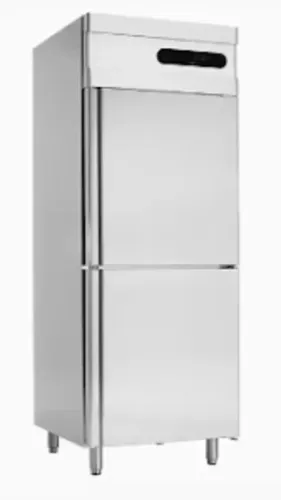
| Upright refrigerator | Full-height cabinet with shelves | Small kitchens with daily deliveries and modest stock |
| Undercounter refrigerator | Compact unit below a worktop | Stations needing immediate access to limited ingredients |
| Prep-counter refrigerator | Chilled cabinet beneath a work surface and ingredient pans | Pizza, sandwich and salad assembly where speed matters |
A hotel should size a coldroom for the delivery and event peak, not average sales. Otherwise it carries idle volume and still fails during a wedding or conference service. Specify the product target: many chilled foods require 0–5°C, while frozen food requires -18°C or below; confirm the applicable food-safety rule.
Check these bakery conditions before choosing one room:
- Keep cream cakes, custards and dairy fillings in chilled storage.
- Use a retarder/proofer for controlled dough fermentation, rather than a generic chiller.
- Store bread and many unfilled baked goods outside routine refrigeration to avoid staling and condensation.
- Provide separate freezer or chocolate-conditioning space when those products need different temperatures or humidity.
Can your site support a safe, efficient coldroom?
A coldroom is safe and efficient only when the building, power supply and delivery path suit its equipment. Confirm the coldroom installation requirements before accepting a quotation based on room volume alone.
1. Measure floor area and ceiling height, including space for insulated panels, floor kerbs, shelving, evaporator clearance and the door’s full opening arc. Check that the finished floor is level, washable, non-slip and strong enough for stored loads.
2. Walk the door swing and loading route from receiving to the room. Trolleys must pass without tight turns, steps or collision points, and the doorway must not obstruct fire exits or food-production traffic.
3. Verify ventilation and electrical supply at the proposed condenser location. Keep clearances specified by the equipment manufacturer, avoid ovens, steamers, sunlight and hot exhaust, and provide the correct voltage, phase, breaker, earthing and isolator. Size a generator or backup system for compressor starting current, not only running watts.
4. Confirm drainage, condensate disposal and protection against water entry. A door opening into a humid wash-up or cooking area increases condensation, icing and energy use; an ante-room or strip curtain can reduce that load.
5. Check service access before construction. Technicians need room to reach the condenser, controls, evaporator and refrigerant connections without dismantling shelves or blocking production. Select freezer-rated panels, floors, doors and defrost equipment for frozen storage; chiller components are not interchangeable.
What operating controls prevent a coldroom from failing?
Specify the room for the load it must recover, not its external dimensions. Ask for a net storage-capacity calculation showing crate sizes, shelf spacing, evaporator clearance, door swing, air gaps and peak receiving quantity.
Whether you work with Vinaayak Enterprises or another supplier, require a rack layout and a stated product-temperature performance, not just “chiller” or “freezer.”
- Set the target by product: 0–5°C chilled storage for applicable chilled foods, and -18°C frozen storage for frozen stock. Confirm the requirement against the product and FSSAI rules.
- Load by food zoning: keep raw meat, poultry and seafood below protected ready-to-eat food, and isolate leaking containers. Separate dairy, produce and prepared food with dedicated racks or clearly marked zones.
- Cool cooked rice, sauces and meat rapidly in shallow pans or suitable rapid-cooling equipment before loading. Hot stock inside a crowded room raises the air temperature and warms neighbouring food.
- Monitor the product zone with a calibrated probe, visible display, high/low alarm and independent data logger. Record each reading in a temperature log; this exposes overnight failures, open doors and weak defrost cycles.
- Control stock with FIFO and FEFO, leaving air gaps around cartons and keeping doors closed during picking. Review discarded food, empty shelf space and energy use each month; an oversized room costs to cool, while an overloaded one costs through spoilage.
Schedule deliveries around available space, and investigate any alarm before resetting it. A controller display can look normal while food at the warmest rack is unsafe.
Related products
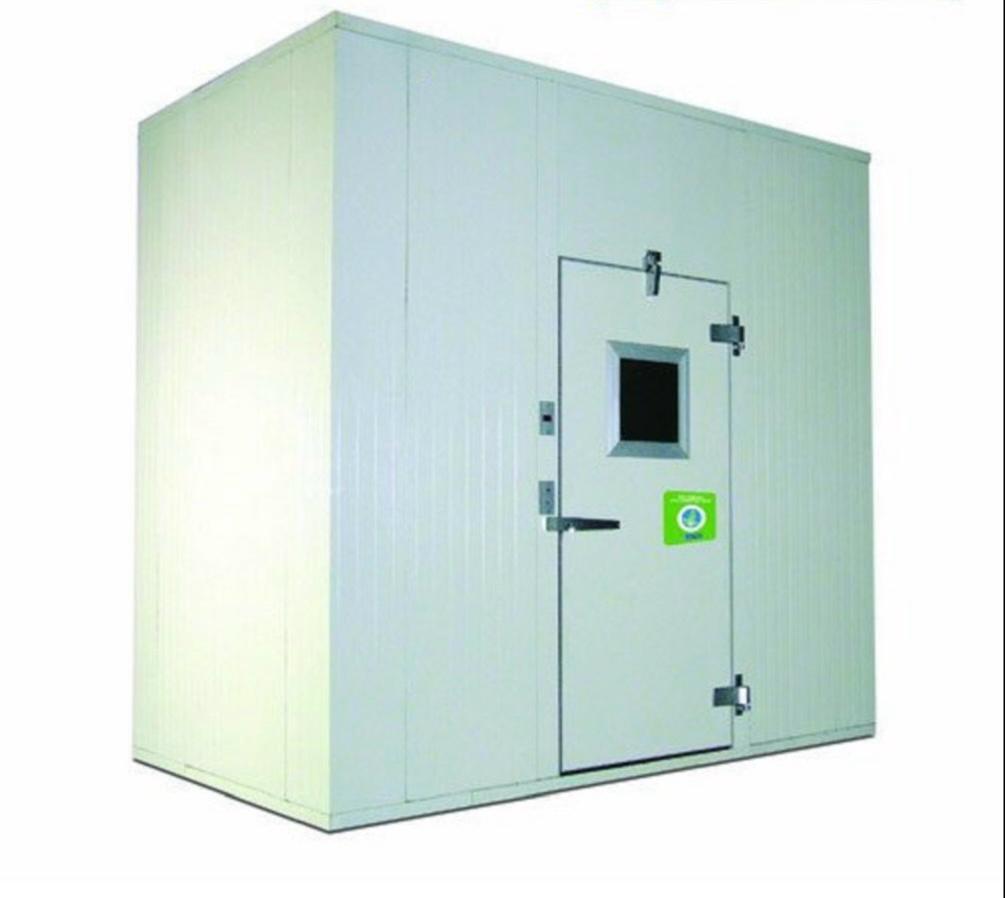 | Commercial Refrigeration & Cold Equipment Vinaayak Enterprises Commercial Cold Room is designed for businesses that require dedicated temperature-controlled storage for food ingredients,... View product → |
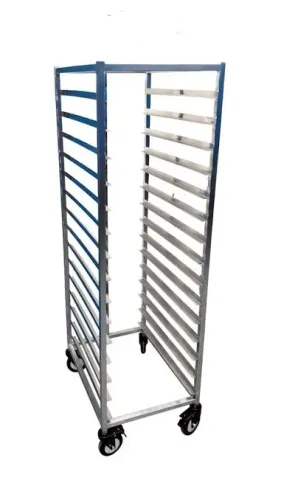
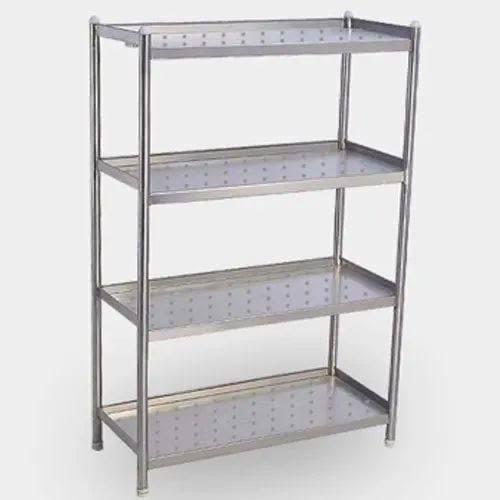 | Worktables, Sinks & Storage Vinaayak Enterprises Cold Room Storage Rack is designed to improve storage organization inside commercial cold rooms and refrigerated storage areas. View product → |
Frequently asked questions
What operational problem justifies a commercial coldroom?
A coldroom becomes worthwhile when refrigerator capacity cannot absorb peak stock, deliveries arrive faster than staff can store them, or ingredients remain in the cooking area.
How much cold storage do you actually need?
Measure your peak stock volume, delivery frequency, shelf-life requirements and usable shelf space. Include clearance for airflow and separate raw, cooked and allergen-containing foods.
Should you buy a chiller, freezer or another refrigerator?
Choose a chiller for fresh ingredients that need refrigeration, a freezer for frozen stock, and another refrigerator when you need extra capacity without a walk-in room.
Can your site support a safe, efficient coldroom?
Check the available footprint, door clearance, floor strength, drainage, electrical supply, ventilation and access route before ordering equipment.
What operating controls prevent a coldroom from failing?
Use temperature monitoring, door discipline, stock rotation, cleaning schedules, maintenance checks and an action plan for power or equipment failure.
Related products
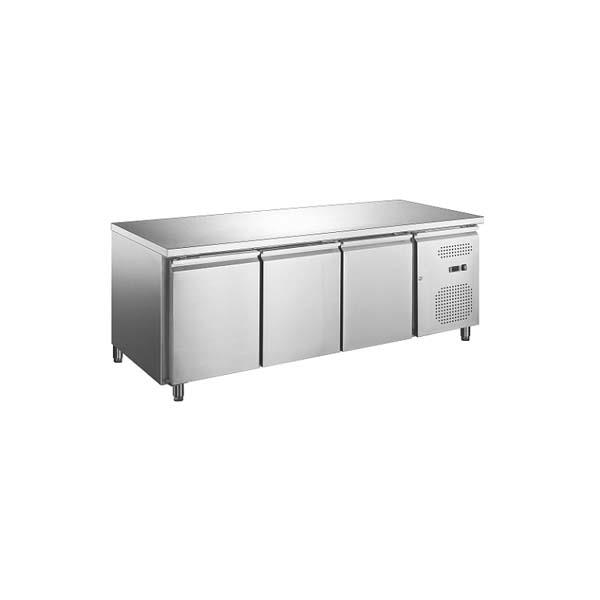 | Commercial Refrigeration & Cold Equipment 3-Door Undercounter Refrigerator Vinaayak Enterprises 3-Door Undercounter Refrigerator is designed for commercial kitchens that need refrigerated storage within easy reach of food... View product → |
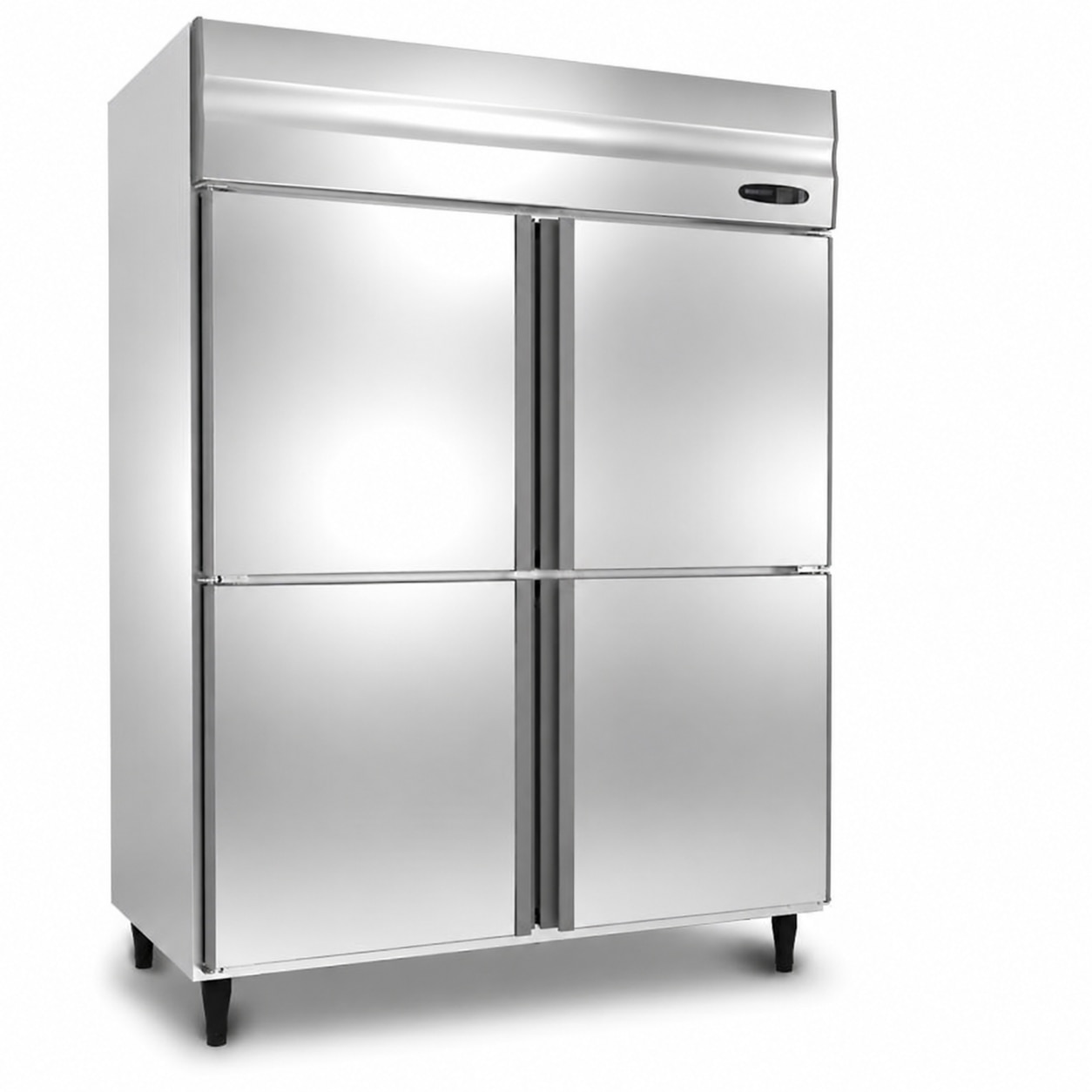 | Commercial Refrigeration & Cold Equipment 4-Door Commercial Refrigerator Vinaayak Enterprises 4-Door Commercial Reach-In Refrigerator is designed for restaurants, hotels, catering kitchens, cloud kitchens, institutional... View product → |
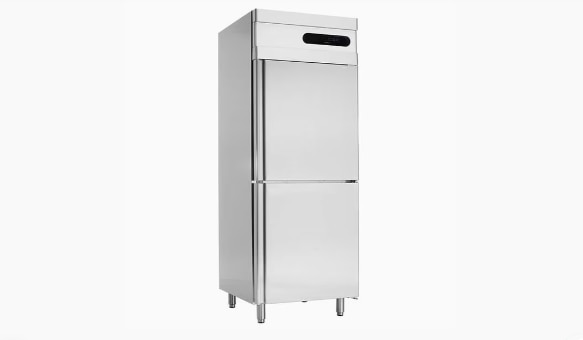 | Commercial Refrigeration & Cold Equipment 2-Door Commercial Vertical Refrigerator Vinaayak Enterprises 2-Door Commercial Vertical Refrigerator is designed for professional kitchens that require reliable, organized and easily... View product → |
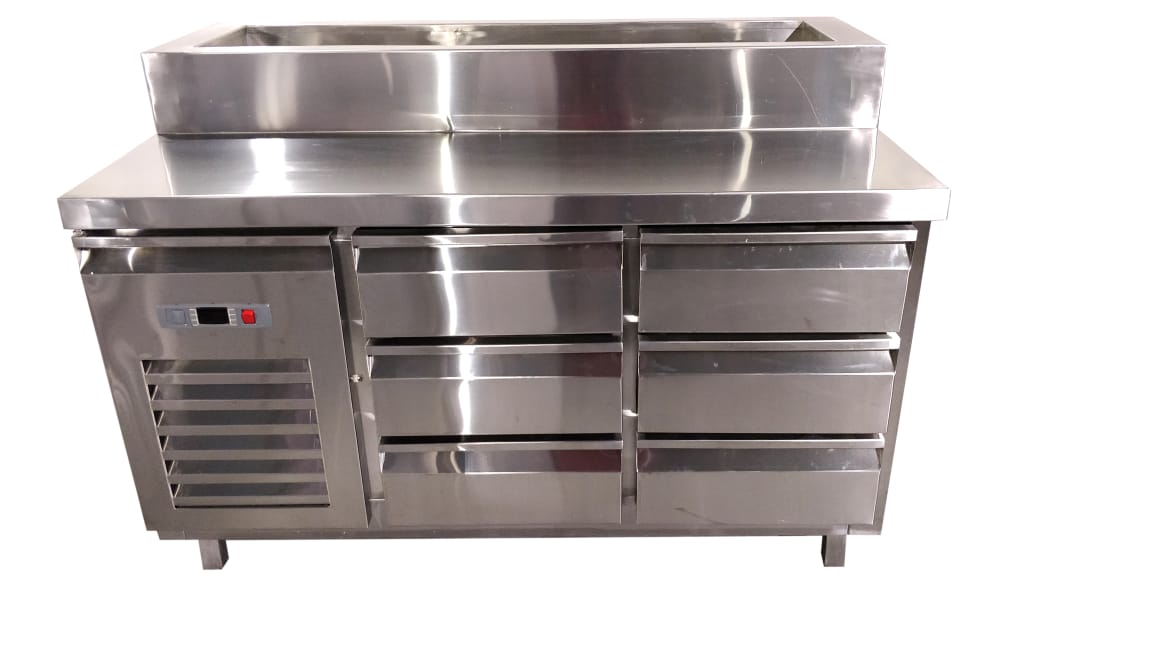 | Commercial Refrigeration & Cold Equipment Mizza Prep Undercounter Refrigerator with Drawers Vinaayak Enterprises Mizza Prep Undercounter Refrigerator with Drawers is designed for commercial kitchens that need refrigerated ingredient storage... View product → |