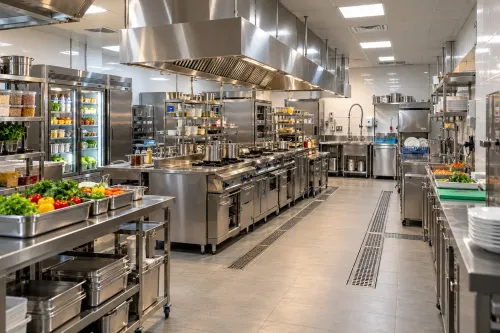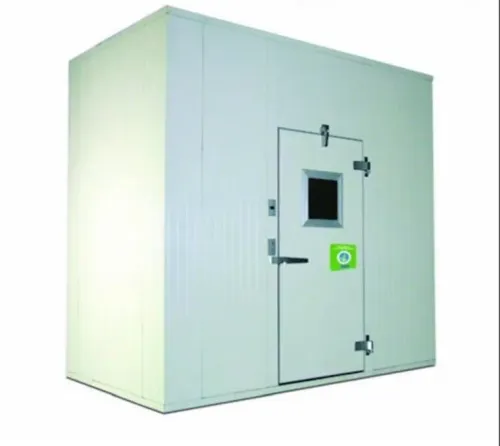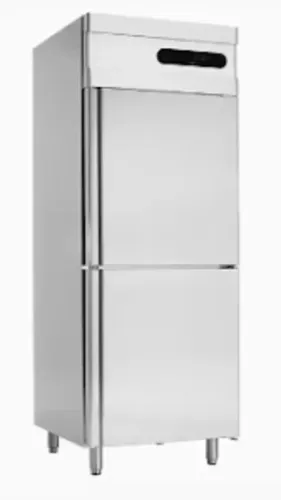
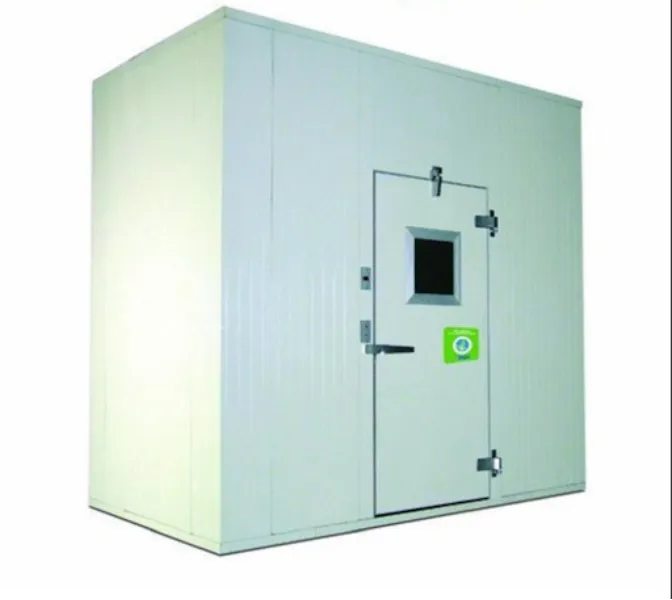
Maintaining the freshness of perishable food products is one of the biggest challenges for commercial kitchens, food processors, hotels, restaurants, and healthcare institutions. A properly designed cold room provides controlled storage conditions that help preserve ingredients while reducing spoilage and inventory losses.
As food service operations continue to expand across Delhi, cold storage infrastructure has become an essential part of efficient kitchen planning.
Why Cold Rooms Are Important
Standard refrigerators are suitable for limited storage, but they often cannot handle the volume required by commercial operations.
A cold room provides:
- Large-capacity storage
- Stable temperature control
- Better inventory management
- Reduced food waste
- Improved hygiene
- Easier stock organisation
These advantages support both operational efficiency and food safety.
Businesses That Benefit from Cold Rooms
Cold rooms are widely used in:
- Hotels
- Restaurants
- Cloud kitchens
- Bakeries
- Catering companies
- Hospitals
- Pharmaceutical facilities
- Food processing units
- Supermarkets
Each industry has different storage requirements, making customised cold room planning important.
Factors to Evaluate Before Installation
A cold room should be designed according to operational requirements rather than available space alone.
Important considerations include:
Storage Capacity
Estimate future inventory growth in addition to current requirements.
Temperature Range
Different food products require different storage temperatures.
Insulation Quality
Proper insulation improves energy efficiency and temperature stability.
Door Design
Well-insulated doors reduce temperature loss during frequent access.
Refrigeration System
Reliable cooling equipment ensures uninterrupted performance.
Common Planning Mistakes
Some businesses encounter operational issues because of poor planning.
Typical mistakes include:
- Underestimating storage needs
- Ignoring workflow
- Choosing inadequate insulation
- Overlooking maintenance access
- Selecting incorrect temperature settings
Careful planning improves long-term operational efficiency.
Maintaining Cold Room Performance
Routine maintenance helps ensure consistent cooling.
Recommended practices include:
- Monitor temperatures daily.
- Inspect door seals regularly.
- Keep storage organised.
- Clean evaporator units.
- Avoid blocking air circulation.
- Schedule professional servicing.
Preventive maintenance reduces unexpected downtime and protects stored inventory.
Choosing a Reliable Cold Room Provider
Cold room installation is a long-term investment that affects food quality, operating costs, and business efficiency. Companies should evaluate engineering expertise, material quality, installation capability, and service support before making a decision. Hospitality and food businesses across Delhi often work with manufacturers such as Vinaayak Enterprises, which provides commercial refrigeration and kitchen infrastructure solutions tailored to professional food service environments. A well-designed cold room supports safe storage, efficient inventory management, and dependable business operations for years to come.
Keywords