

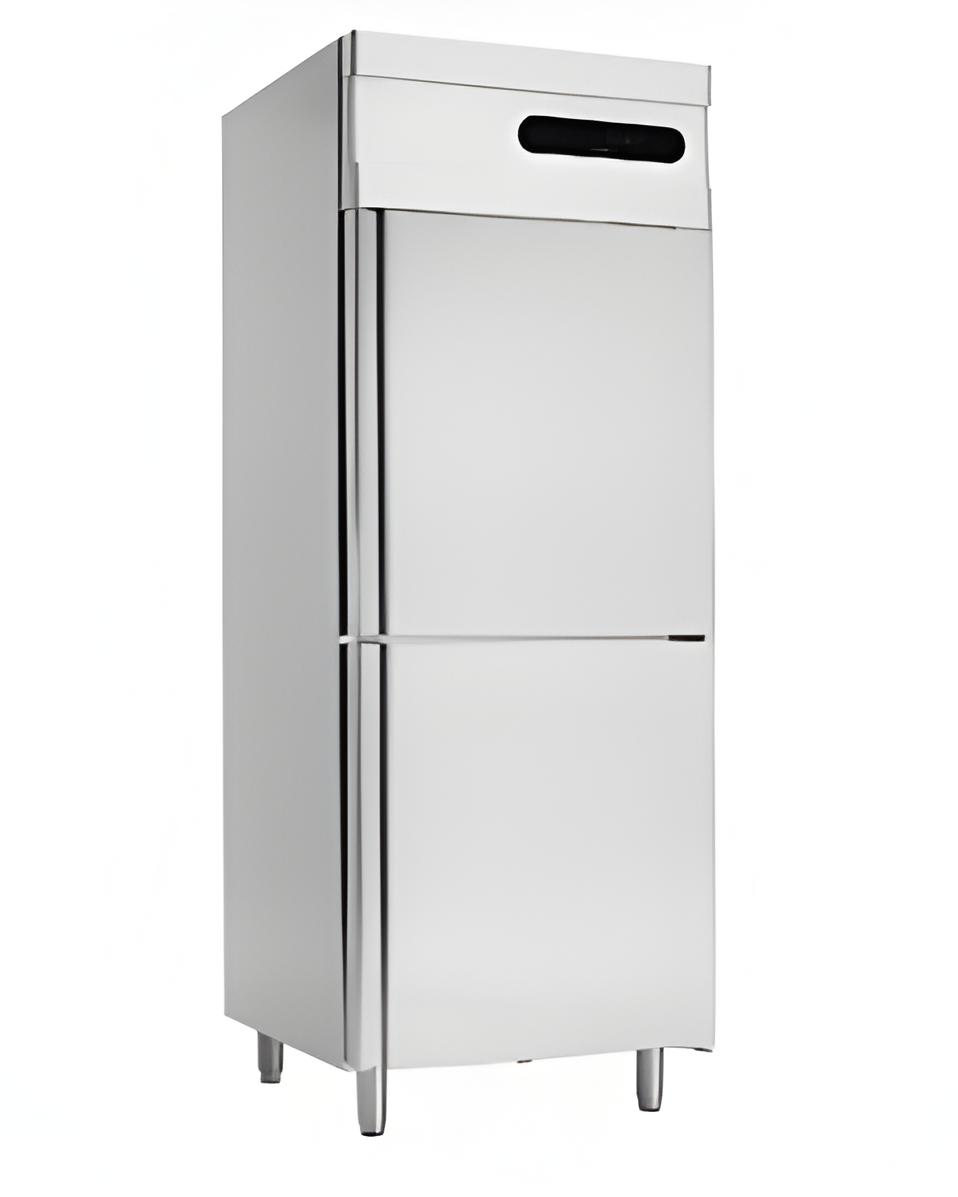
Reliable Refrigeration is fundamental to food storage, preparation, beverage service, bakery operations, and many hospitality workflows. Yet commercial refrigeration is sometimes selected primarily according to cabinet size and price.
That approach can create problems once the kitchen becomes busy.
Restaurants, hotels, bakeries, sweet shops, cloud kitchens, and institutional facilities in Delhi should evaluate refrigeration as part of their broader food production and storage system.
Choosing Capacity Without Studying Actual Storage
One common mistake is estimating capacity based only on total daily food volume.
Commercial kitchens need to consider how ingredients are divided, packaged, accessed, and replenished.
A refrigerator that technically holds enough products may still be inefficient if shelves become overcrowded or frequently used ingredients are difficult to reach.
Storage planning should reflect actual operating practices.
Ignoring Kitchen Temperature
Commercial kitchens can become significantly warmer than normal indoor environments.
Cooking appliances, ovens, grills, and limited ventilation may increase surrounding temperatures, which can influence refrigeration performance.
Equipment placement should therefore account for heat-producing appliances and adequate ventilation around refrigeration systems.
Positioning refrigerated units immediately beside major heat sources should be carefully evaluated.
Forgetting About Door Opening Frequency
In busy kitchens, refrigerator doors may be opened repeatedly throughout service.
Frequently accessed ingredients should be organized accordingly. In some applications, under-counter refrigeration or multiple smaller access points may support workflow better than one large centralized unit.
The best arrangement depends on kitchen layout and menu.
Overlooking Cleaning Requirements
Food debris and grease can accumulate around refrigeration equipment, particularly in active kitchen environments.
Units should be positioned so staff can maintain accessible surfaces and surrounding areas.
Drainage and condensate management also deserve attention during installation.
Buying Without Measuring the Installation Route
A surprisingly practical issue is delivery access.
Before ordering large refrigeration units, measure entrances, corridors, staircases, service lifts, kitchen doors, and final installation spaces.
This is especially important in established Delhi restaurants and hotels where back-of-house access may be restricted.
Vinaayak Enterprises works with commercial kitchen requirements where equipment dimensions and configurations may need to align with specific site conditions.
Treating Refrigeration as an Isolated Purchase
Cold storage should connect logically with receiving, preparation, cooking, bakery, and service areas.
Frequently used ingredients should be accessible to relevant workstations, while bulk storage can be positioned according to replenishment routines.
For larger requirements, businesses may also need to evaluate whether conventional refrigeration units provide sufficient capacity or whether dedicated cold storage should be considered.
Effective refrigeration planning combines storage volume, temperature requirements, access frequency, kitchen conditions, utility availability, and workflow. Avoiding these common mistakes helps businesses select systems that work practically during everyday service rather than simply fitting a specification sheet.