Maintaining hygiene is one of the most important responsibilities in any commercial kitchen. Whether preparing meals in a hotel, restaurant, bakery, hospital kitchen, or catering facility, proper hand hygiene plays a critical role in food safety. Installing a dedicated hand wash sink helps reduce the risk of contamination while supporting compliance with commercial kitchen hygiene standards.
Food businesses throughout Delhi are placing greater emphasis on hygiene infrastructure as customer expectations and food safety regulations continue to evolve.
Why Dedicated Hand Wash Sinks Matter
Many food safety issues begin with poor hand hygiene rather than equipment failure. A dedicated hand wash sink encourages staff to wash their hands regularly without interrupting food preparation processes.
Unlike utility sinks used for washing utensils or vegetables, hand wash sinks are designed exclusively for personal hygiene.
They help prevent:
- Cross-contamination
- Foodborne illnesses
- Bacterial transfer
- Surface contamination
- Unsafe food handling practices
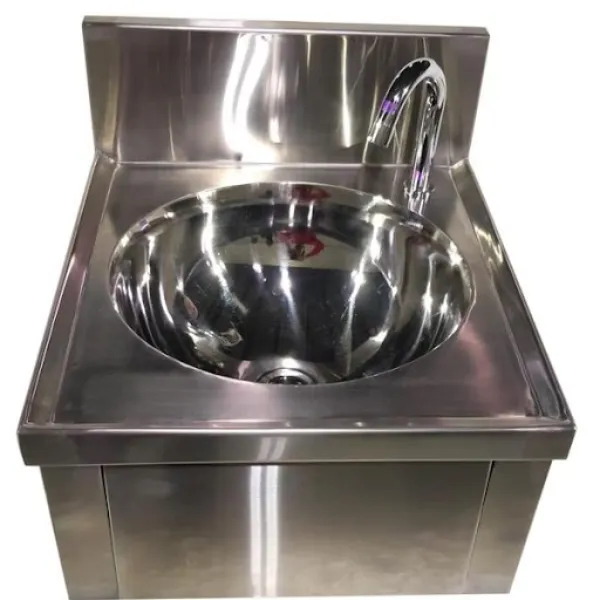
Features of a Commercial Hand Wash Sink
Commercial models are designed for frequent use throughout the working day.
Common features include:
- Stainless steel construction
- Smooth hygienic finish
- Splash-back protection
- Wall-mounted or free-standing installation
- Easy drainage
- Compact design
- Corrosion resistance
- Simple cleaning access
These features support cleanliness while withstanding demanding commercial environments.
Where Hand Wash Sinks Are Used
Dedicated hand washing stations are commonly installed in:
- Restaurants
- Hotels
- Bakeries
- Cloud kitchens
- Food courts
- Hospital kitchens
- School cafeterias
- Industrial canteens
- Catering facilities
Businesses operating in Delhi often include multiple hand wash stations to support efficient workflow during busy service hours.
Best Placement Practices
Strategic placement encourages frequent use.
Suitable locations include:
- Kitchen entrances
- Food preparation zones
- Bakery sections
- Dishwashing areas
- Staff workstations
- Service counters
Employees should be able to access sinks quickly without disrupting kitchen operations.
Choosing the Right Hand Wash Sink
When selecting commercial equipment, consider:
Size
Choose dimensions that suit available kitchen space.
Material
High-grade stainless steel offers excellent durability and hygiene.
Installation Type
Wall-mounted units save floor space, while free-standing models suit larger kitchens.
Accessories
Soap dispensers, sensor taps, and paper towel holders improve convenience.
Maintenance
Easy-to-clean surfaces reduce cleaning time and improve sanitation.
Daily Hygiene Practices
Installing a sink alone is not enough.
Kitchen teams should also:
- Wash hands before food preparation.
- Clean sinks regularly.
- Refill soap dispensers promptly.
- Inspect drainage systems.
- Keep surrounding areas dry.
- Encourage staff training on hygiene protocols.
These practices contribute to safer food handling.
Common Mistakes
Businesses sometimes reduce hygiene effectiveness by:
- Using one sink for multiple purposes
- Installing too few hand wash stations
- Neglecting maintenance
- Blocking sink access
- Ignoring routine cleaning
Proper planning helps create a safer and more organised commercial kitchen.
Creating Hygienic Commercial Kitchens
Food safety begins with simple but effective infrastructure. Commercial kitchen equipment providers such as Vinaayak Enterprises support businesses by supplying practical hygiene solutions suited to restaurants, hotels, bakeries, and institutional kitchens. Installing the right hand wash sink helps create a cleaner working environment, promotes staff hygiene, and contributes to higher food safety standards across commercial kitchens in Delhi.
Keywords