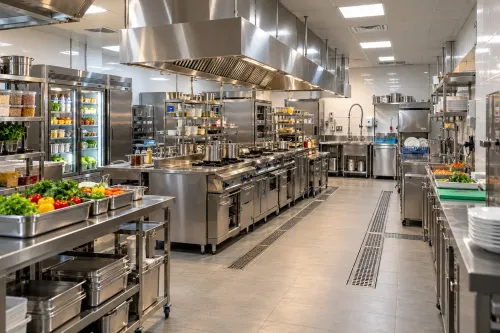
Running a successful hotel kitchen requires more than skilled chefs and quality ingredients. The efficiency of food preparation depends heavily on the equipment supporting daily operations. Choosing the right hotel kitchen equipment helps improve productivity, food safety, energy efficiency, and service consistency across every department.
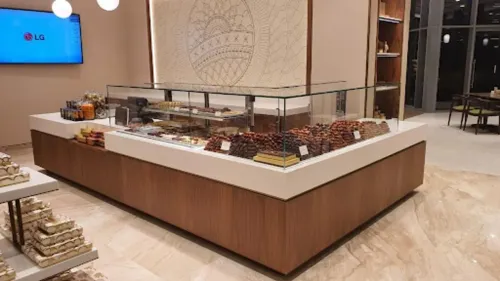
Hotels in Delhi often manage multiple food outlets simultaneously, including restaurants, banquet kitchens, room service, bakeries, and cafés. This makes proper kitchen planning essential.
Why Commercial Equipment Matters
Hotel kitchens prepare large volumes of food while maintaining consistent quality. Commercial equipment is built to withstand continuous operation and demanding workloads.
Unlike domestic appliances, professional equipment offers:
- Greater durability
- Higher production capacity
- Better hygiene
- Faster cooking
- Easier maintenance
- Improved operational safety
These advantages contribute to smoother kitchen operations.
Essential Categories of Hotel Kitchen Equipment
Different sections of a hotel require specialised equipment.
Cooking Equipment
Includes:
- Commercial ranges
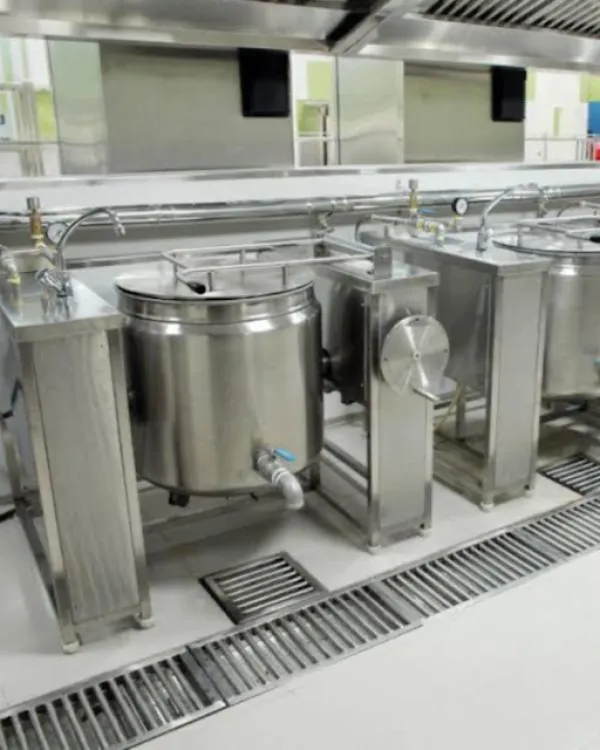
- Stock pot stoves
- Griddles
- Fryers
- Ovens
Refrigeration Equipment
Maintains ingredient freshness through:
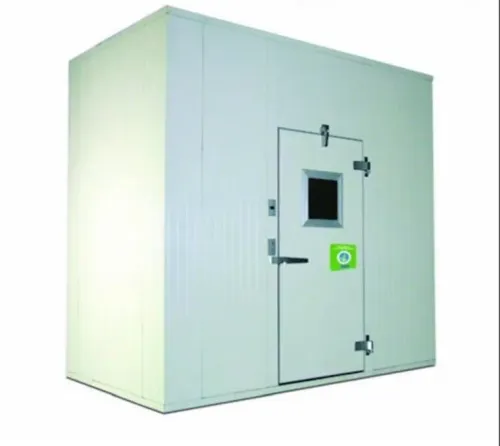
- Cold rooms
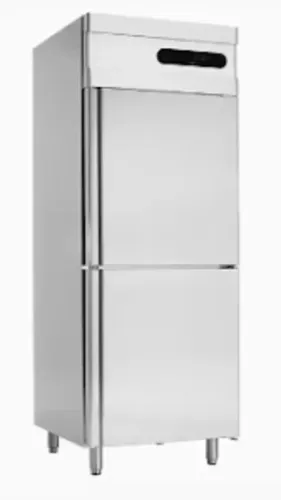
- Reach-in refrigerators
- Freezers
- Under-counter chillers
Preparation Equipment
Supports efficient food preparation with:
- Vegetable cutters
- Dough mixers
- Wet grinders
- Food processors
Washing Equipment
Ensures hygiene using:
- Glasswashers
- Dishwashers
- Sink units
Factors That Influence Equipment Selection
Every hotel operates differently.
Consider:
- Daily meal production
- Menu complexity
- Kitchen layout
- Available utilities
- Staff workflow
- Future expansion plans
Choosing equipment that matches operational requirements helps improve efficiency over time.
Common Planning Mistakes
Many businesses encounter avoidable challenges during kitchen setup.
These include:
- Purchasing equipment individually without planning workflow
- Underestimating production capacity
- Ignoring ventilation requirements
- Selecting incompatible equipment
- Overlooking maintenance access
Working with experienced kitchen planners often helps avoid these issues.
Importance of Equipment Layout
An efficient kitchen is organised into functional work zones.
These generally include:
- Receiving
- Storage
- Preparation
- Cooking
- Service
- Cleaning
Proper workflow reduces unnecessary staff movement and improves productivity.
Long-Term Benefits
Well-planned hotel kitchen equipment supports:
- Faster service
- Lower maintenance costs
- Better food quality
- Improved staff efficiency
- Higher operational reliability
These benefits become increasingly valuable as business grows.
Building Efficient Commercial Kitchens
Hotels require equipment that supports both performance and reliability. Businesses such as Vinaayak Enterprises provide commercial kitchen solutions designed for hospitality projects ranging from boutique hotels to large institutional kitchens. Investing in suitable hotel kitchen equipment helps create efficient, organised, and future-ready food service operations throughout Delhi.
Keywords