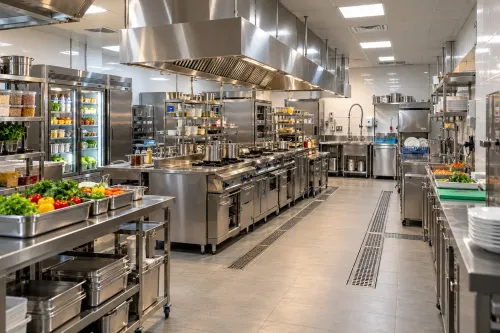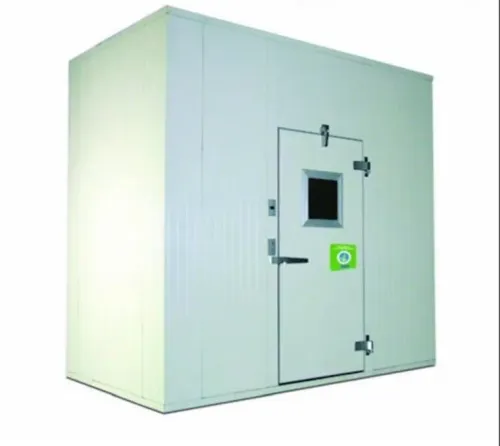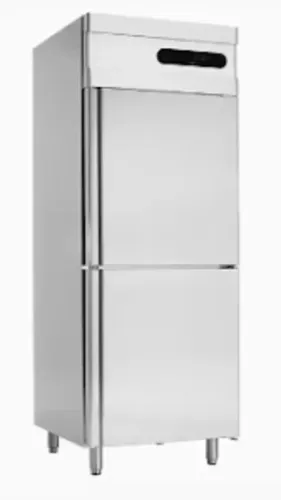
Running a professional food business involves far more than purchasing cooking appliances. Hotels, restaurants, cafeterias, cloud kitchens, hospitals, and catering businesses depend on equipment that can handle continuous workloads while supporting hygiene, safety, workflow, and consistent food preparation. This makes the role of commercial kitchen equipments manufacturers important during both new kitchen development and existing facility upgrades.
In Delhi and across the wider NCR food service market, kitchens often operate under demanding conditions. High order volumes, limited preparation time, restricted floor space, and diverse menus can make poorly selected equipment a daily operational problem.
Equipment Design Has a Direct Impact on Workflow
A commercial kitchen is essentially a connected production environment. Ingredients move from storage to preparation, cooking, holding, plating, and service. Equipment should support this movement instead of creating unnecessary staff movement.
For example, preparation tables should be positioned conveniently near washing and cutting areas. Cooking equipment should match the production sequence, while refrigeration should provide quick access to frequently used ingredients.
Experienced manufacturers consider factors such as:
- Available kitchen space
- Expected production volume
- Menu requirements
- Staff movement
- Cleaning accessibility
- Utility connections
- Heat and ventilation conditions
- Storage requirements
This approach helps create equipment that fits the actual working environment.
Why Commercial Equipment Differs From Domestic Appliances
Commercial kitchens require equipment designed for repeated and often intensive use. A restaurant burner may operate for several hours continuously, while bakery equipment may need to maintain consistent production throughout multiple batches.
Commercial equipment therefore requires careful attention to construction quality, capacity, durability, accessibility, and maintenance.
Stainless steel is commonly used because it is practical for professional food environments and relatively easy to maintain when handled correctly. Equipment dimensions are equally important because oversized machines can reduce working space, while undersized units can create production bottlenecks.
Standard Equipment Is Not Always the Right Answer
Two restaurants serving similar cuisines may still require completely different kitchen layouts. One may operate mainly through dine-in service, while another may depend heavily on delivery orders.
This is where customization becomes useful.
Vinaayak Enterprises works with commercial food businesses that require equipment suited to particular layouts and operating requirements. Customized fabrication can help accommodate unusual dimensions, specific preparation processes, storage needs, and utility arrangements.
The objective should not simply be fitting more equipment into the available space. It should be creating a kitchen where employees can work logically and safely.
Planning Before Purchasing Saves Operational Trouble
Businesses evaluating equipment should first document their expected daily production, peak-hour demand, menu categories, available utilities, and space limitations.
It is also useful to consider future requirements. A restaurant expecting higher order volumes within a year may benefit from equipment capacity that provides reasonable room for growth.
Good equipment planning can reduce unnecessary movement, improve space utilization, simplify cleaning, and make maintenance easier.
For hospitality businesses in Delhi, selecting commercial kitchen equipment should therefore begin with workflow and operational requirements rather than individual product specifications alone. The most effective kitchens are built when equipment, people, utilities, storage, and food movement are planned as one integrated system.
Keywords