
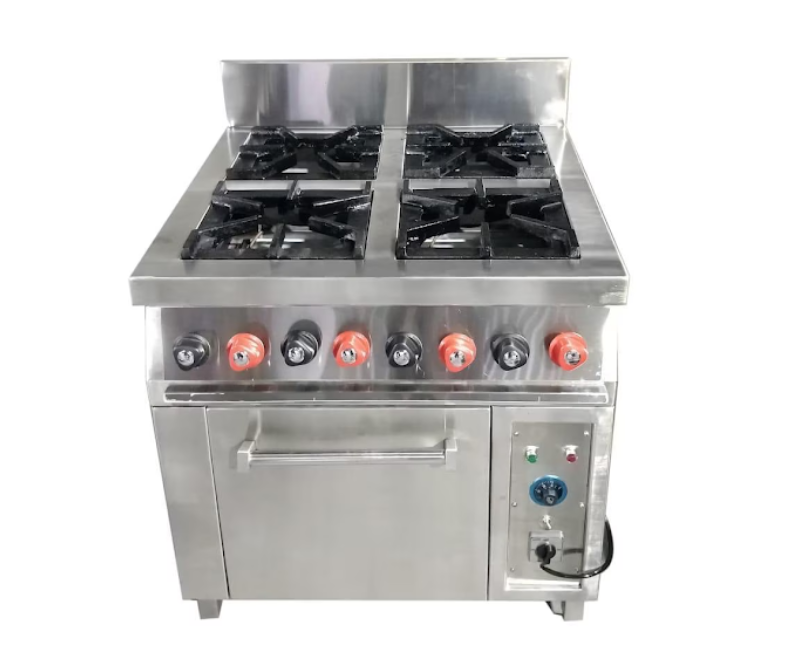
Hotel kitchens face operational demands that differ significantly from those of smaller restaurants. Breakfast service, banquets, room service, restaurants, events, and staff meals may all operate within the same property. Choosing suitable hotel kitchen equipments therefore requires careful planning around production capacity, workflow, hygiene, and service schedules.
Hotels in Delhi often cater to varied guest volumes and multiple food formats. Equipment selection needs to reflect these changing requirements rather than focusing only on individual machine capacity.
Different Kitchen Zones Perform Different Jobs
A large hotel kitchen may include separate areas for vegetable preparation, meat preparation, bakery production, hot cooking, cold preparation, dishwashing, storage, and banquet production.
Each area needs equipment suited to its workload.
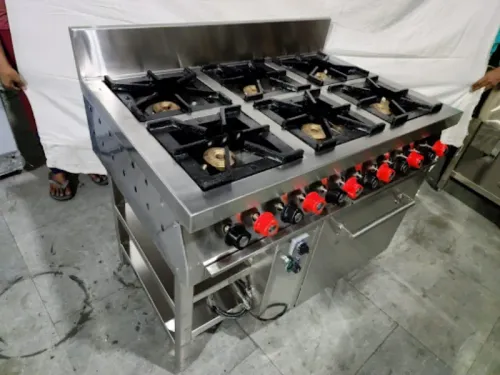
The hot kitchen may require ranges, fryers, griddles, stock pot units, and work tables. Bakery sections need preparation and baking equipment, while cold sections depend heavily on refrigeration and organized storage.
When these zones are planned independently without considering movement between them, staff may spend unnecessary time carrying ingredients and finished dishes across the kitchen.
Capacity Should Reflect Peak Demand
A common equipment-selection mistake is calculating requirements around average daily demand.
Hotel kitchens should also consider peak periods.
A kitchen serving 200 covers on a normal weekday may need to handle significantly more guests during conferences, weddings, festivals, and corporate events. Equipment capacity should therefore be evaluated against realistic peak production requirements.
At the same time, buying unnecessarily large equipment can increase space requirements and operating costs.
The right balance depends on menu complexity, service frequency, banquet requirements, staff strength, and available kitchen space.
Durability Matters in Continuous Operations
Hotel equipment may operate across breakfast, lunch, evening, and dinner shifts. Certain units may remain active for long periods.
Construction quality becomes especially important under these conditions.
Buyers should evaluate fabrication quality, material thickness where relevant, accessibility for cleaning, component reliability, and maintenance requirements.
Equipment should also be easy for kitchen staff to operate consistently. Complicated designs that provide little operational benefit can slow everyday work.
Layout Planning Should Come Before Equipment Placement
Equipment purchasing should ideally follow kitchen workflow planning.
Food should move logically from receiving and storage through preparation, cooking, holding, and service. Dirty utensils should follow a separate practical route toward washing areas wherever the facility allows it.
Commercial kitchen equipment manufacturers can support this process by adapting dimensions and configurations to available layouts.
Vinaayak Enterprises provides commercial kitchen equipment solutions for hospitality and institutional requirements, including applications where customized fabrication is necessary.
Think Beyond the Opening Day
Hotel procurement teams should evaluate how easily equipment can be cleaned, serviced, repaired, and incorporated into future kitchen changes.
Equipment that appears economical initially may become inconvenient when production volumes increase or maintenance access becomes difficult.
For hotels operating in Delhi and the surrounding hospitality market, effective kitchen planning comes from balancing capacity, durability, workflow, hygiene, and long-term usability. When these factors are considered together, equipment becomes part of a productive kitchen system rather than simply a collection of machines.