

Selecting commercial kitchen equipment manufacturers can influence how effectively a new restaurant, hotel, cafeteria, bakery, cloud kitchen, or institutional facility operates after installation.
Equipment specifications are important, but buyers should also evaluate whether a manufacturer understands real kitchen conditions, fabrication requirements, installation constraints, and long-term usability.
For procurement teams and hospitality businesses in Delhi, several practical checks can make provider evaluation more structured.
Look for Understanding of Your Application
A manufacturer should first understand what the kitchen is expected to produce.
Important details include menu type, daily production, peak demand, operating hours, number of employees, available area, and utility conditions.
Without this information, equipment recommendations may be based on generic assumptions.
Evaluate the Range of Manufacturing Capabilities
Some projects require more than cooking equipment.
A complete facility may involve:
- Preparation tables
- Washing units
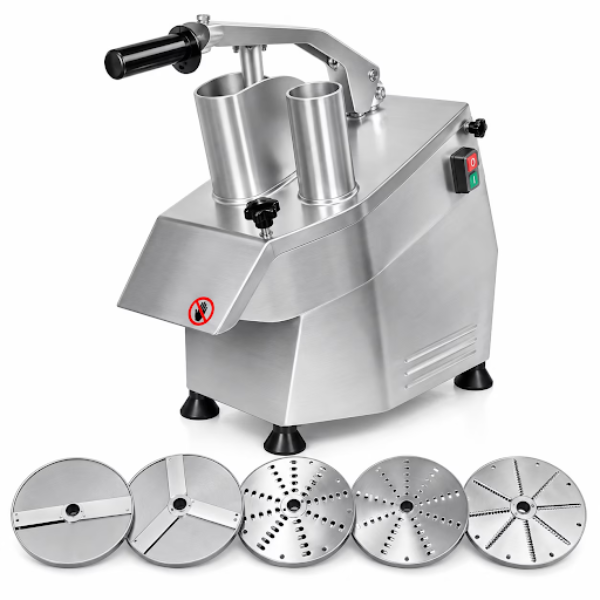
- Cooking equipment
- Storage systems
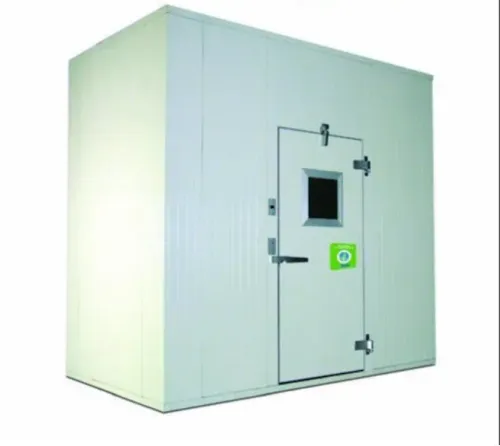
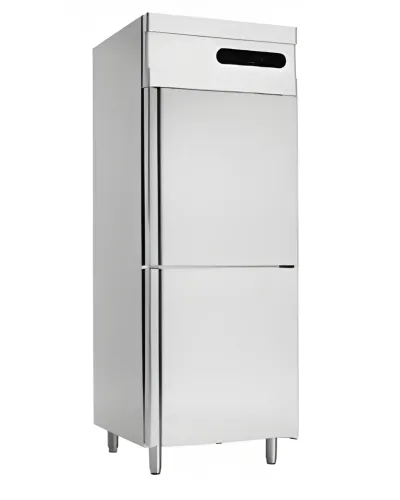
- Refrigeration
- Bar equipment
- Bakery equipment
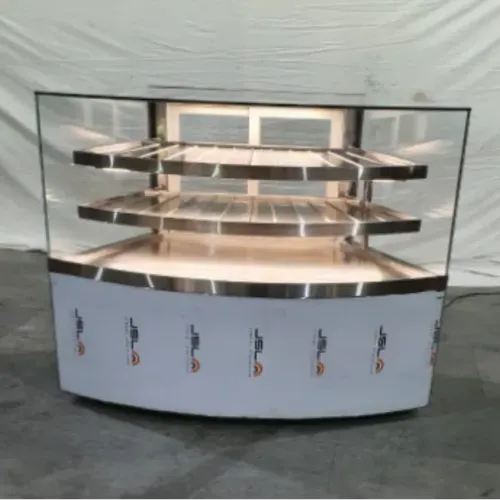
- Display counters
- Exhaust-related fabrication
- Customized stainless steel units
Working with a provider familiar with multiple equipment categories can help coordinate dimensions and layouts more effectively.
Ask How Customization Is Handled
Standard products are appropriate for many applications, but commercial properties do not always have standard layouts.
Columns, doorways, existing utility points, restricted kitchen widths, and unusual service counters may require customized dimensions.
Ask how measurements are confirmed and how customized requirements are translated into fabrication specifications.
Vinaayak Enterprises serves commercial food businesses requiring kitchen equipment manufacturing and customized solutions for different hospitality applications.
Examine Practical Construction Details
Equipment should be assessed beyond its appearance.
Look at working surfaces, joints, edges, shelves, supports, handles, doors, and accessibility.
For equipment involving utilities, understand the connection requirements before installation.
Procurement teams should also check whether adequate maintenance access will remain after units are positioned.
Discuss Installation Conditions Early
Site conditions can influence whether equipment can be delivered and installed as planned.
Measure access routes and identify restrictions involving stairs, service lifts, corridors, doors, and ceiling heights.
For Delhi properties located in busy commercial areas, delivery timing and building access rules may also need coordination.
Evaluate Support Beyond Manufacturing
Ask what information is provided regarding operation, routine maintenance, cleaning, and service requirements.
Clear communication becomes particularly important when customized equipment is involved.
A provider that understands the complete installation environment can help reduce avoidable coordination issues.
Make the Decision Around Operational Fit
The lowest quotation does not automatically represent the lowest long-term cost.
Poorly sized equipment can slow production. Difficult-to-clean units can increase maintenance effort. Incorrect dimensions can compromise valuable kitchen space.
Provider selection should therefore balance fabrication capability, application knowledge, customization, installation planning, equipment suitability, and support.
A strong commercial kitchen manufacturer should help translate business requirements into practical equipment decisions. For food service operators in Delhi, that capability can be more valuable than choosing individual machines purely by price.