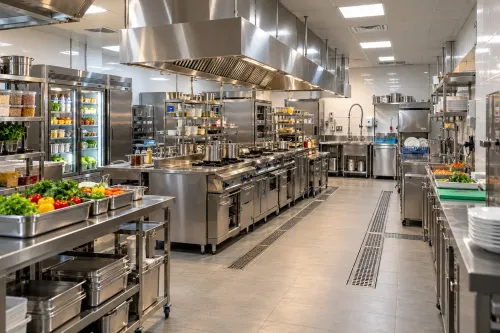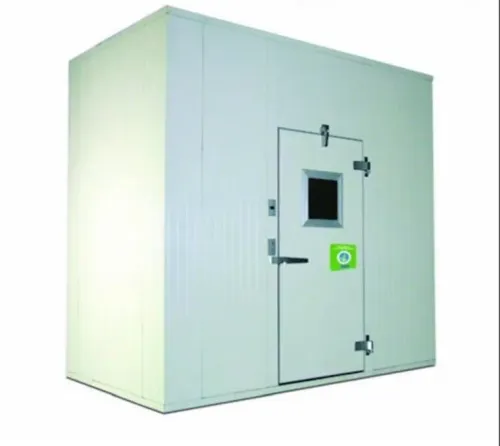
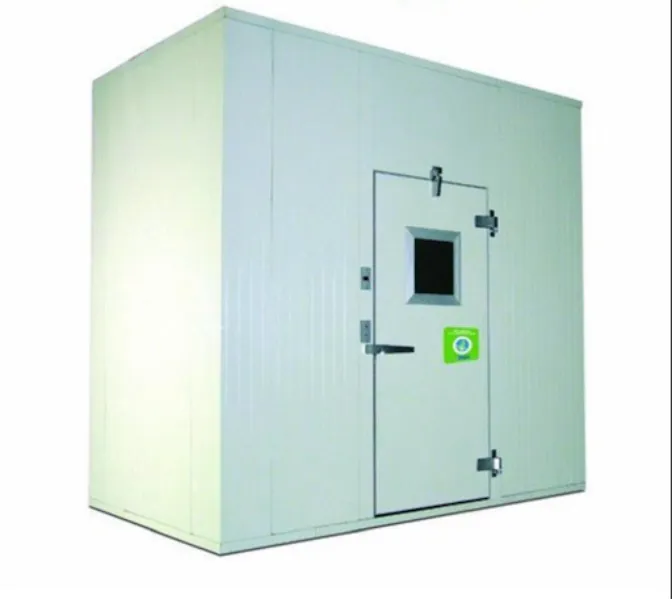
As food businesses expand, conventional refrigerators and freezers may eventually become insufficient for bulk storage. A properly planned Coldroom can provide centralized temperature-controlled space for hotels, large restaurants, bakeries, catering businesses, hospitals, institutional kitchens, and food processing facilities.
However, installing a cold room should be based on operational requirements rather than simply the availability of space.
Storage Volume Is the First Indicator
Businesses purchasing ingredients in bulk often reach a stage where multiple standalone refrigerators occupy too much space.
A cold room may become practical when centralized storage can simplify inventory organization and replenishment.
Operators should calculate not only current stock levels but also delivery frequency, seasonal demand, and peak storage requirements.
Product Categories Influence Configuration
Different foods can have different temperature and storage requirements.
The intended product mix should therefore be established before deciding on cold storage specifications.
A hotel storing dairy products, vegetables, meat, prepared ingredients, and bakery materials may require a different arrangement from a food processing unit handling fewer product categories in much larger quantities.
Internal shelving and product organization should also support safe, convenient stock rotation.
Location Within the Facility Matters
Cold storage should be positioned where it supports the movement of goods.
Placing a cold room far from receiving and preparation areas can increase unnecessary handling. At the same time, installation needs to account for ventilation, drainage, utilities, service access, and surrounding working conditions.
Existing buildings in Delhi may present additional constraints such as limited access routes or fixed utility points.
Operational Costs Need to Be Considered
Cold storage should be evaluated according to total operating requirements, not only installation cost.
Door-opening frequency, insulation, temperature settings, loading practices, maintenance, and surrounding conditions can influence performance.
Staff practices matter as well. Poor stock organization can lead to doors remaining open longer while employees search for ingredients.
Integration With the Kitchen Improves Usability
A cold room should not function as an isolated storage box.
Its location and internal organization should reflect the broader kitchen workflow.
Vinaayak Enterprises supports commercial kitchen and refrigeration requirements for hospitality and food service businesses where storage systems need to work alongside preparation and production areas.
For Delhi businesses considering larger-scale refrigerated storage, early planning can help coordinate equipment, utilities, access, and kitchen layout.
Know When Conventional Refrigeration Is Still Enough
Not every growing food business needs a cold room.
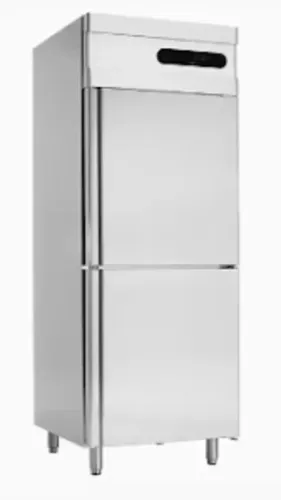
Standalone refrigeration may remain more practical when stock volumes are moderate, ingredients need to be distributed across separate preparation areas, or space limitations make centralized storage inconvenient.
The decision should therefore come from a clear storage analysis.
When ingredient volume, purchasing patterns, workflow, and available space support centralized storage, a cold room can become an efficient part of commercial food operations. The key is sizing and positioning it according to real inventory movement rather than future assumptions alone.
Keywords